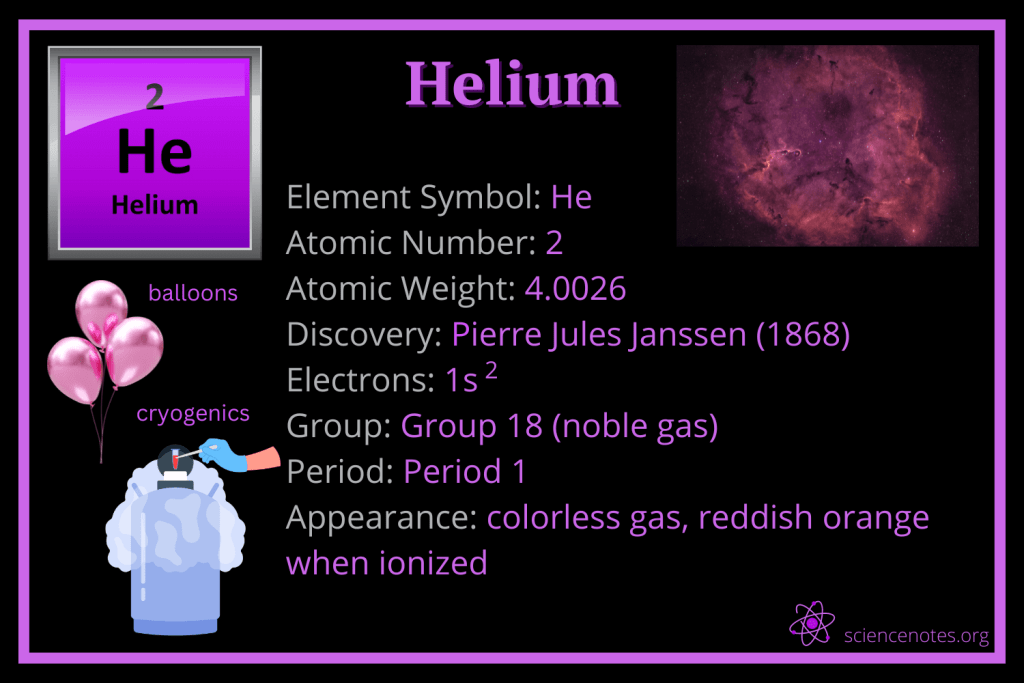
You know, sometimes you start on something thinking it’s gonna be straightforward. Like inflating a small balloon, right? Quick puff, tie it off, done. Well, I had this experience recently that was the complete opposite of that. Totally the opposite of helium, felt more like handling lead.
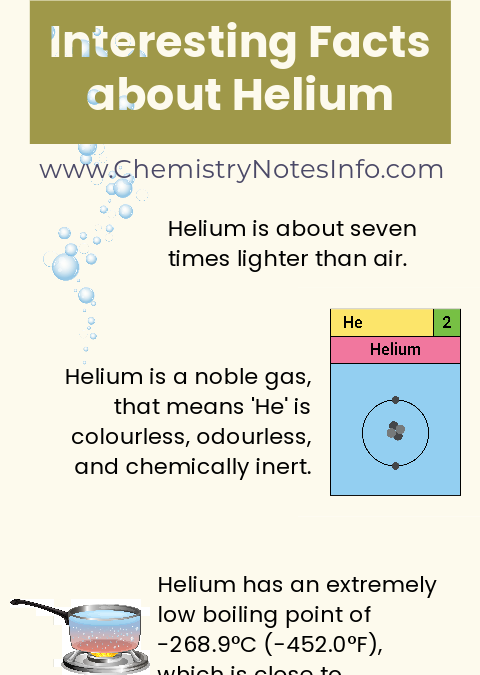
It started with a seemingly simple request. We needed to track usage for a new internal tool we rolled out. The idea was just to get some basic counts, see who was using it, how often. Management wanted a quick picture. Easy, right? That’s what I thought too. I figured, hook into the logs, run some counts, maybe put it in a simple dashboard or even just a daily email summary. Should be light work.
So, I jumped in. First step was getting access to the logs. That part went okay, standard procedure. Then I started actually looking at the logs. And that’s where the lightness just… vanished. The tool wasn’t logging things in a clean way. It was messy. Really messy.
The Heavy Part
Instead of nice, neat entries, it was all over the place. Here’s what I ran into:
- The timestamps were inconsistent. Some were UTC, some were local server time, some seemed just plain wrong. Had to figure out how to normalize all that just to get a timeline.
- User IDs weren’t always captured cleanly. Sometimes it was an ID, sometimes an email, sometimes blank. Took a bunch of extra steps to try and reconcile who was who.
- The actions logged were super vague. ‘Button clicked’ doesn’t tell you much. I had to go back to the tool’s code to figure out what these actions actually meant.
- And the volume! Way more logs than expected. Pulling and processing them started bogging things down. What I thought would be a quick script turned into something needing optimization right out of the gate.
Suddenly, this ‘quick picture’ task felt incredibly heavy. It wasn’t floating up easily like helium; it was sinking. Each step needed more effort, more digging, more fixing than I planned for. I spent days just cleaning and making sense of the data before I could even start counting anything meaningful.
We eventually got there. We have some tracking now. But it’s not the elegant, simple thing we imagined. It’s a bit clunky, requires constant monitoring because the underlying logging is still iffy. It works, but it feels heavy, grounded. The total opposite to helium I was hoping for. Just goes to show, sometimes the stuff that looks light on the surface is actually dense underneath.