
Alright, so I’m gonna walk you through this crazy project I tackled: sending a balloon to the edge of space, or at least, as high as I could get it. We called it the “highest balloon flight” challenge, and man, was it a ride.
The Idea Sparked
It all started with watching some YouTube videos, you know, those guys sending action figures up attached to balloons. Looked kinda fun, and I thought, “Hey, I can totally do that, but better!” I wanted to capture some cool footage and learn a bit about near-space conditions.
Gathering the Gear
- The Balloon: First thing, I needed a weather balloon. Sourced one online; it was a big latex one, supposed to reach like 100,000 feet.
- The Payload Box: Next, a sturdy box. I used a polystyrene box to protect my equipment.
- Cameras: Crucial part! I packed two GoPro cameras, one facing down to get ground footage, the other facing up for the blackness of space.
- GPS Tracker: This was super important. Needed to know where the thing landed. I went with a simple GPS tracker that sent location data via SMS.
- Parachute: Obviously, needed a way to get the payload back safely. Got a decent-sized parachute online.
- Heater Packs: High up, it gets COLD. Threw in some hand warmer packs to try and keep the electronics from freezing up.
Putting it All Together
Assembly was pretty straightforward. I mounted the cameras in the box, making sure they were secure and had a good view. The GPS tracker was wired up and tested. Then, I attached the parachute to the box and connected it to the balloon. Used strong duct tape and zip ties for everything – gotta keep it secure!
Launch Day!
Woke up early, checked the weather – clear skies, light winds. Perfect. Found a big open field away from any buildings or power lines. Inflated the balloon with helium (that took a while!), attached the payload, and let it go. It shot up like a rocket! So cool to watch.
The Waiting Game
Now came the nervous part. I tracked the balloon’s ascent using the GPS data. It was climbing steadily, reaching higher and higher. The anticipation was killing me. For hours, I just sat there, glued to my phone, watching the coordinates change.
Landing and Recovery
Finally, the GPS signal showed it was descending. I jumped in my car and drove towards the last known location. After some searching, I found it! The payload box was lying in a field, parachute tangled in some trees. The cameras were intact, which was a relief.
The Footage
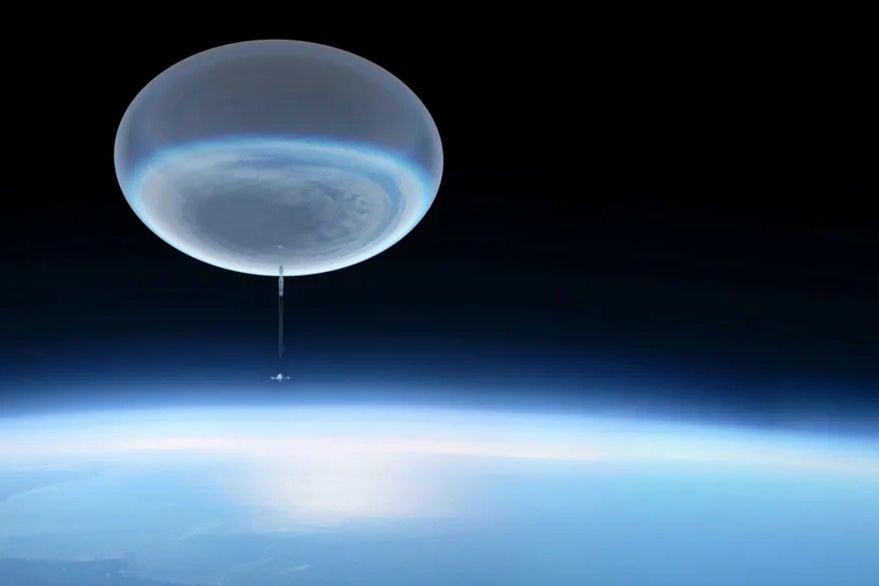
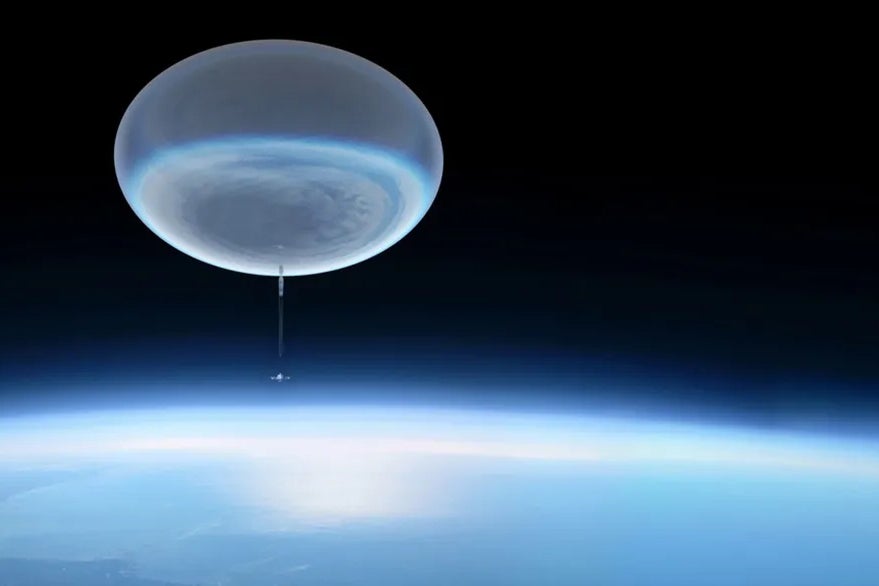
The footage was incredible! The GoPro facing down captured the Earth shrinking below, the curvature becoming more visible. The upward-facing camera showed the transition to the inky blackness of near-space. It was breathtaking!
What I Learned
- Battery Life: The cold really drains batteries fast. Next time, I’ll invest in better insulation or battery packs.
- GPS Accuracy: The GPS wasn’t always super accurate. I’ll look into a more reliable tracking system.
- Permits: I probably should have gotten some permits… Oops.
Would I Do It Again?
Absolutely! It was a challenging but incredibly rewarding project. Seeing those images and knowing I sent something that high up was an amazing feeling. I’m already planning my next balloon flight, with some improvements based on what I learned this time around.